A permit is generally required when finishing an unfinished basement. When, why, and what inspectors actually look for.
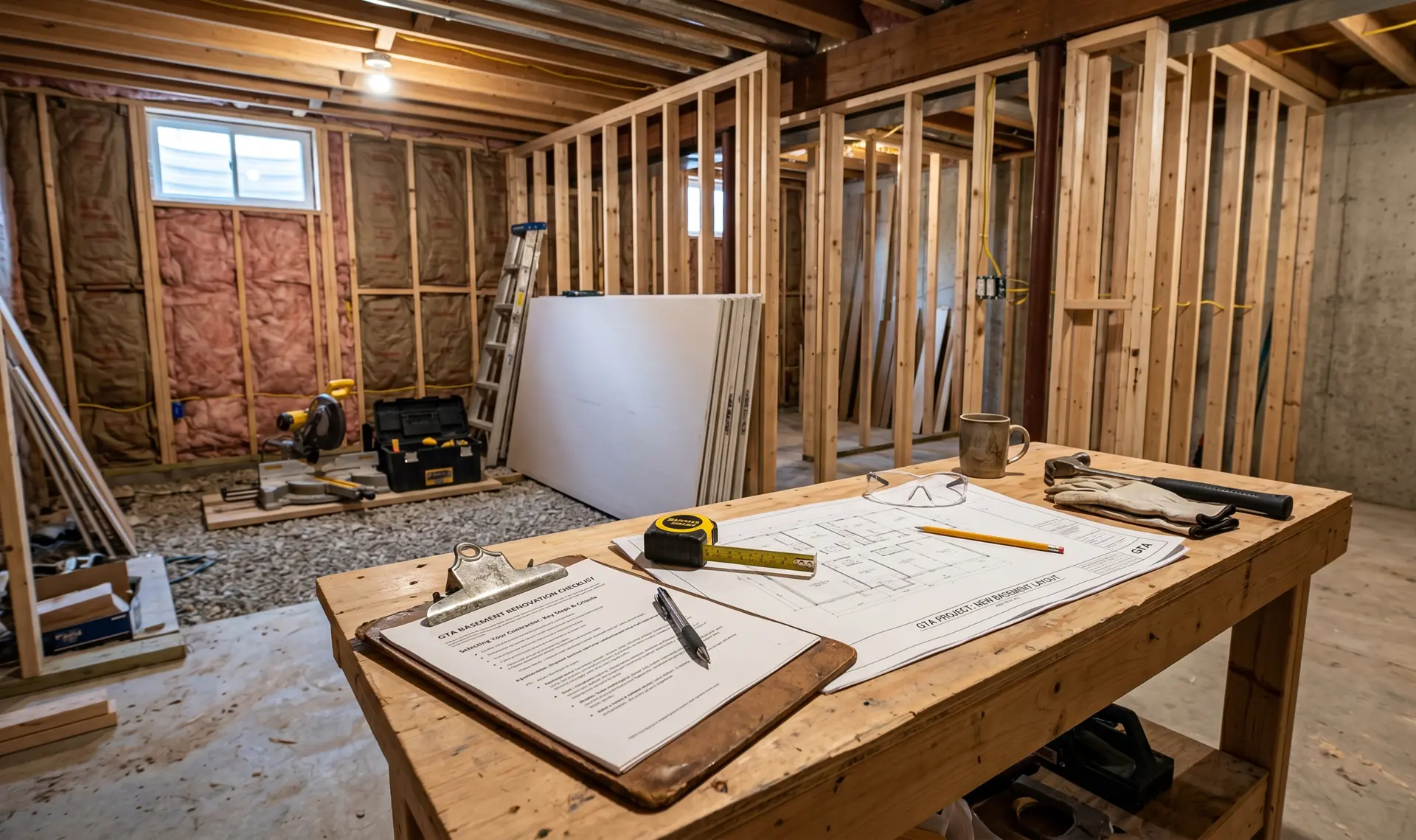
It is one of the most common questions we hear from homeowners across the Greater Toronto Area:
"Do I actually need a permit to finish my basement?"
“If you ever thought that you don't need a permit for any reason, think again. You always have to get a permit, and here's why!” Kam Oveisy, Owner and Principal Designer, Desire Basements
The short answer: yes, in most cases, you do.
Not every basement project needs one, though, and knowing the difference saves you from expensive mistakes later.
Permits are also the most misunderstood part of a basement renovation. Some homeowners assume they are optional. Some are told by contractors that a permit only slows the job and adds cost. The reality has more to it.
Under the Ontario Building Code and the municipal building departments across the GTA, a permit is generally required when finishing an unfinished basement if the work creates new living space or changes anything that affects health and safety requirements.
In most basement renovations, you need a permit if you are:
In short, if you are turning an unfinished basement into finished living space, expect to need a permit.
A few situations do not call for one.
Cosmetic work in an already finished basement, such as painting, replacing trim, installing cabinetry, updating flooring or swapping finishes, can often be done without a building permit.
Even so, a simple-looking project can trigger a permit the moment plumbing, structure or a life-safety element gets involved.
Rules vary a little between municipalities, so check with your local building department before assuming you are exempt.
If permits protect homeowners, why do some contractors suggest skipping them?
It usually comes down to three things:
Cost. Permit fees add to the project budget.
Time. Drawings, applications and inspections stretch the schedule.
Competition. When homeowners compare contractors on price alone, leaving out the permit makes a quote look better.
The savings are short-term.
A basement finished without the required permits comes back to bite you when you sell the house, file an insurance claim, refinance or try to legalize a secondary suite.
This is where homeowners get a shock.
If work that needed a permit is found after completion, the municipality can require you to open up finished areas so an inspector can verify compliance with the Ontario Building Code.
You may have to correct deficiencies before the work is approved.
That can mean cutting drywall, redoing completed work and paying for it twice.
Insurance gets complicated too if unpermitted work contributes to a later claim. For most homeowners, the stress is not worth the money saved.
A fair question.
Nobody enjoys paying fees or waiting on inspections. But a building permit does not judge your design choices. It confirms that the parts of the renovation that matter most meet minimum safety standards.
Inspectors check things like:
In a basement apartment, these requirements save lives.
A permit is independent verification that the work meets the standard. That is worth more than the paperwork it comes with.
Homeowners can apply themselves, but most prefer a contractor who manages the process for them.
A professional basement contractor should tell you clearly:
If a contractor suggests avoiding permits before understanding the scope of your project, ask why.
If you are planning to finish an unfinished basement in Toronto or anywhere in the Greater Toronto Area, the safe assumption is that you will need a building permit.
Skipping it looks like a shortcut on time and money. The consequences outlast the savings.
Handled properly, permits are not complicated. The right contractor guides the application, coordinates the inspections and builds the basement to Ontario's requirements.
A finished basement is one of the largest investments you will make in your home. It is worth doing properly, for the room you use today, for your family's safety and for what the house is worth when you sell it. If you want a number before you talk to anyone, the basement cost calculator prices a permitted build for your square footage.
For what each municipality charges and how long approval takes, see our guide to basement permits across the GTA.

Kam walks the space, draws it in 3D and sends an itemized estimate within 24 to 48 hours. No allowance lines, no surprises.
Get a Free Estimate